// feature engineering · feature construction
The process of generating new variables (features) based on already existing variables is known as feature construction. Feature Construction is a useful process as it can add more information and give more insights of the data we are dealing with.
Feature Construction is done by transforming the numerical features into categorical features which is done while performing Binning.
Also, feature construction is done by decomposing variables so that these new variables can be used in various machine learning algorithms such as the creation of Dummy Variables by performing Encoding.
Other ways of constructing include deriving features from the pre-existing features and coming up with more meaningful features.
All such methods can be used for constructing different types of features and have been explored in the blog posts below.
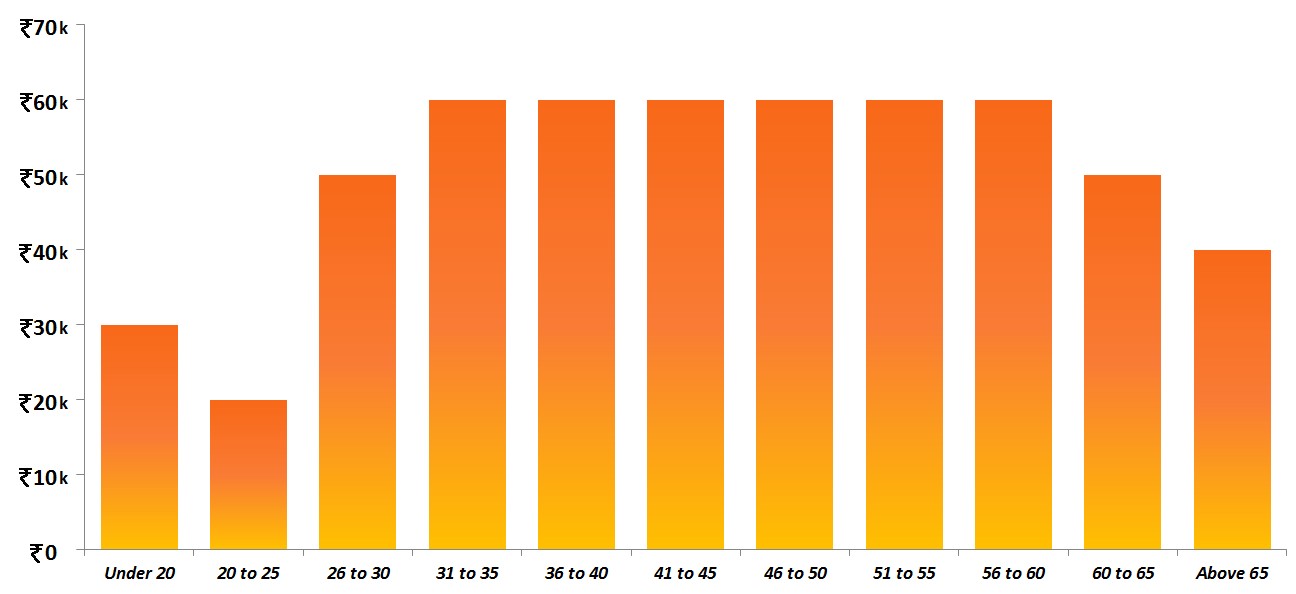
Binning is the opposite of Encoding where new categorical features are constructed from numerical features. This is sometimes done when certain numerical features cannot be directly used in the learning algorithm and are required to be first converted into dummy variables. Thus we first construct a feature from binning and then perform encoding on this newly constructed feature. Binning is also used to make the features more responsive to various linear algorithms as they help to decrease noise and increase the reliability of models. The two main types of binning are Supervised Binning and Unsupervised Binning.
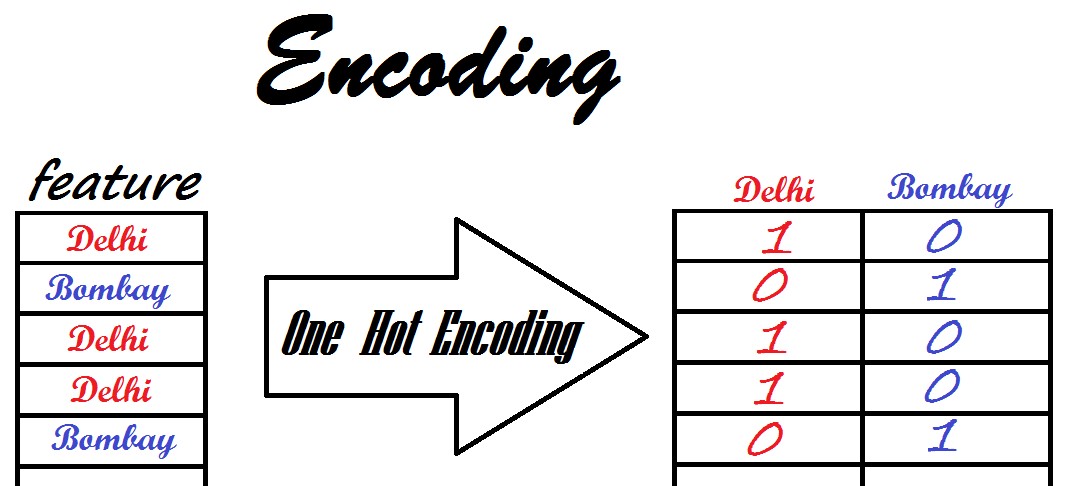
Creating features by converting the categorical features into numerical features is known as encoding. Thus in a way, it is the opposite of Binning. There are two main types of encoding- Binary and Target Based. Here we explore various methods of Binary Encoding which include methods such as Encoding through Scalar Encoder, One Hot Encoding, Encoding through dummy variables. Other methods include Label Encoder and Simple Replace.

There are multiple random ways of creating new features from pre-existing features and some of these methods are explored in this blog post. Among such methods is Feature Crossed where new categorical features are created by using two pre-existing categorical features. New features are also constructed by changing the unit of measurement of a feature. The creation of various KPIs also acts as a type of feature construction.
 TM
TM